It’s called a Laminar Flow. Water usually has a lot of turbulence in it, and that is that causes it to look rather chaotic when it’s spraying out of a hose.
Laminar Flow occurs when all the water is moving in the exact same direction, eliminating turbulence, and thus, creating a flow of water that looks like glass.
Still, the idea that this is creating Laminar flow randomly is quite incredible, usually it requires specially built nozzles to create it.
science side of tumblr coming back at us with hard facts and incredibly unexpected urls
Yesterday, in the journal Cell Stem Cell, a team of researchers at the Chinese Academy of Sciences reported the birth of healthy offspring to same-sex mouse parents. By modifying the genomes of eggs to resemble those of sperm, and vice versa, the scientists were able to overcome a major hurdle in biological reproduction. Pups from female-female unions survived well into adulthood, even becoming mothers themselves, and short-lived babies were welcomed by a dad-dad duo.
Scientists used modified egg and stem cells to create female mice with two mothers. These fatherless mice grew up to have babies of their own (through more typical means of conception). (Le-Yun Wang / Chinese Academy of Sciences)
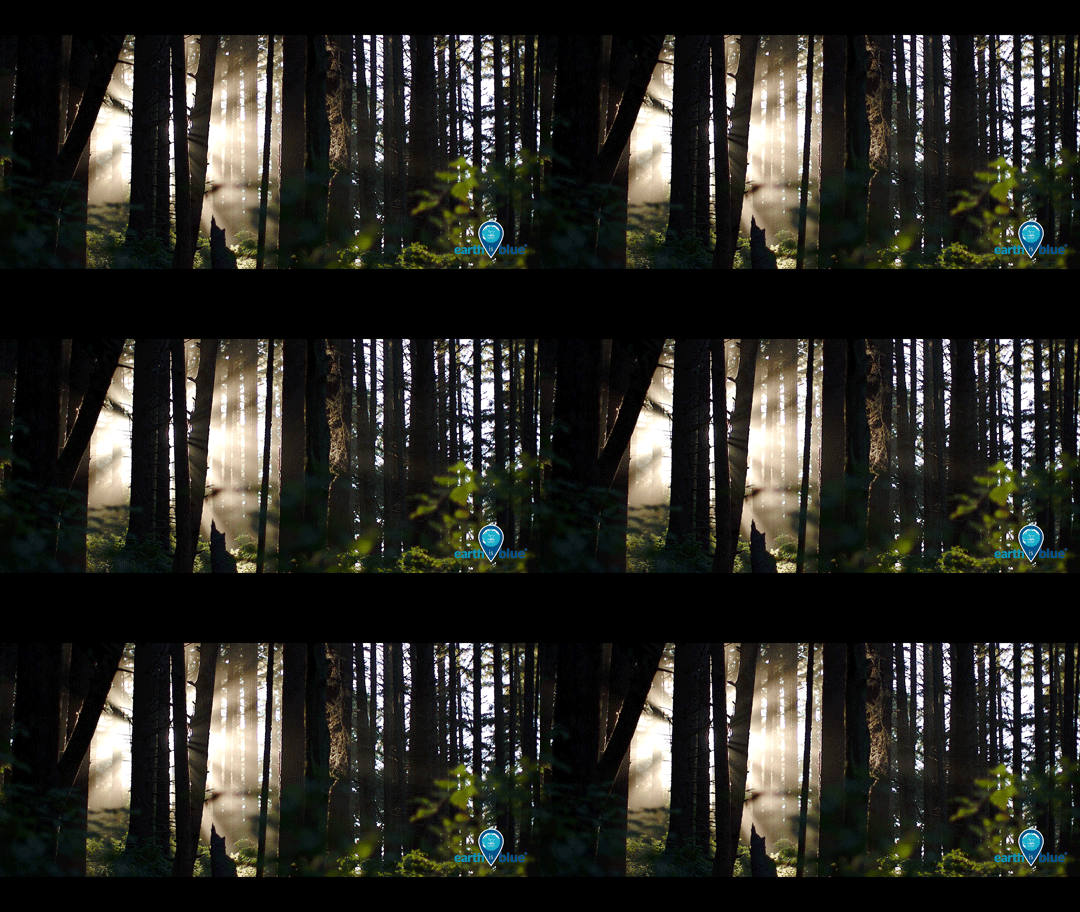
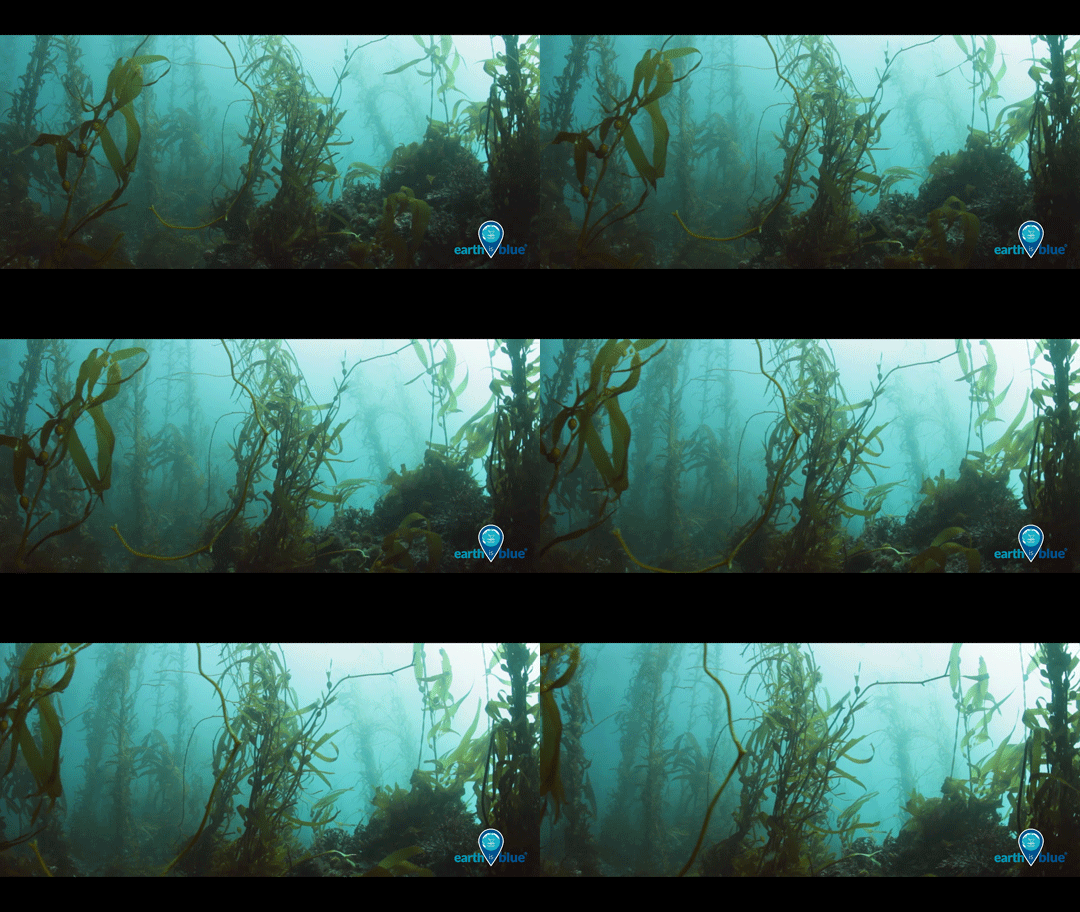
Sunbeams slice through the darkness. The chirps and rustles of life surround you.
Now, imagine that that forest is underwater. What would it feel like to swim through an underwater forest?
Welcome to the kelp forest.
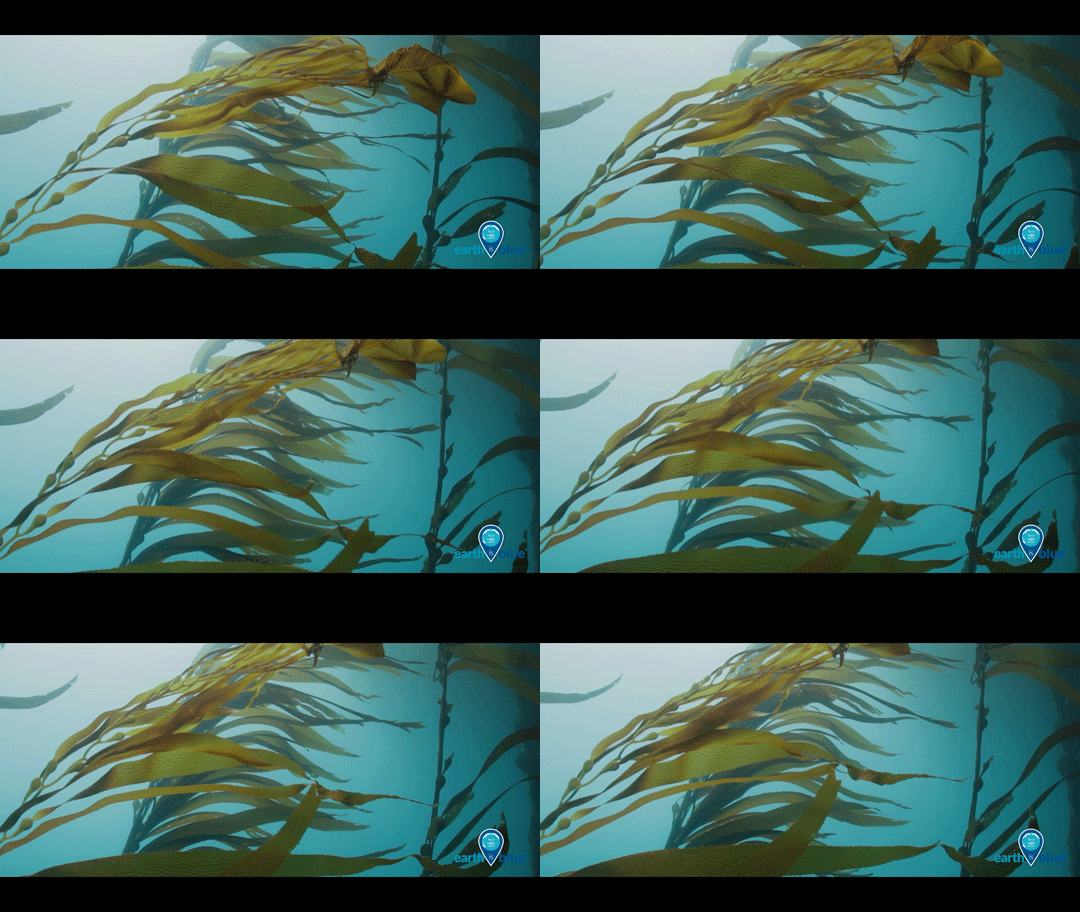
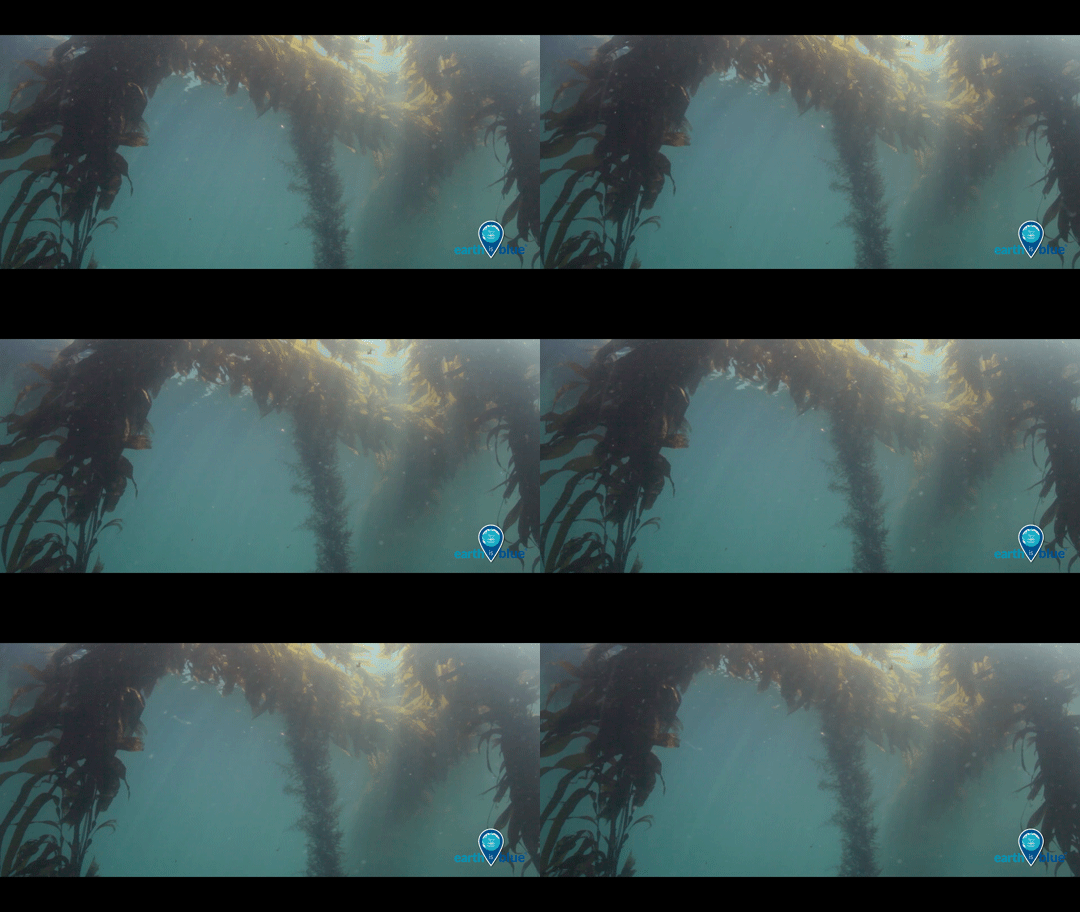
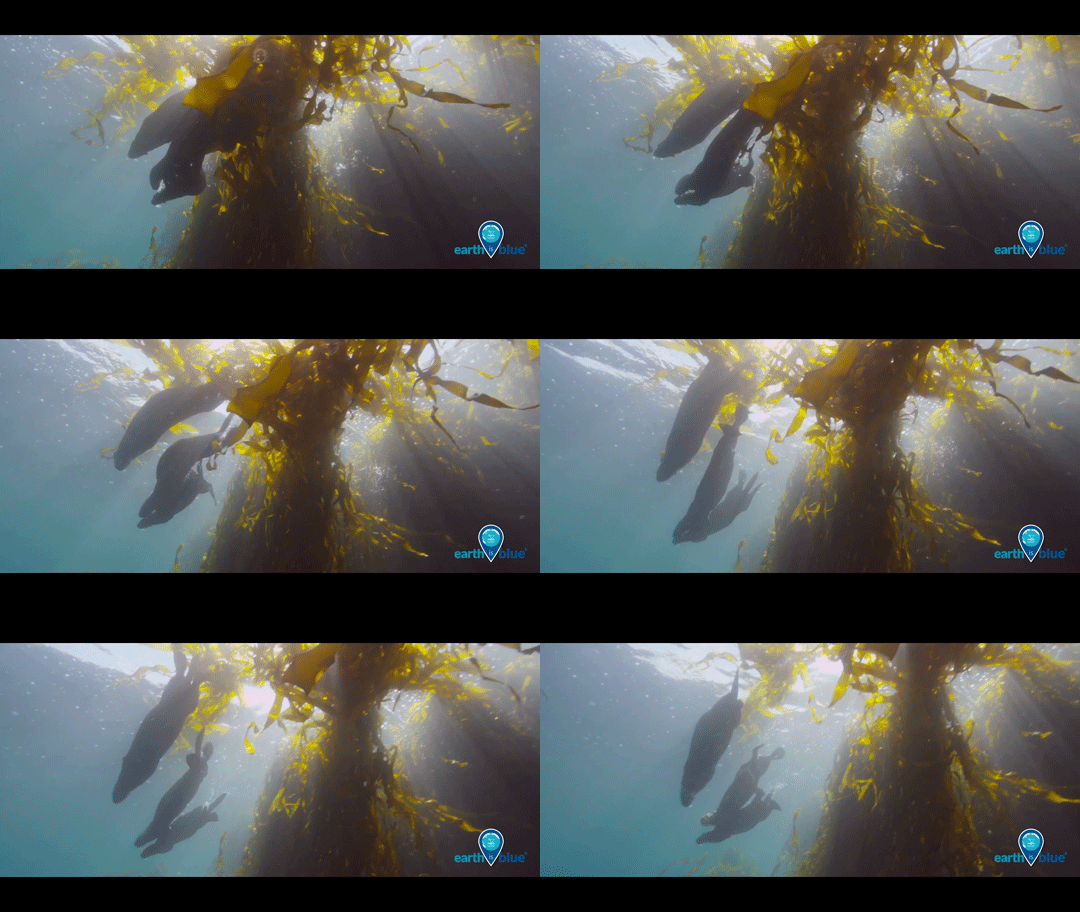
Here, you won’t find trees; instead, 150-foot seaweeds tower above you. Fish swim around you; sea lions frolic in the distance.
Your national marine sanctuaries are home to magnificent kelp forests that host an endless variety of fish, invertebrates, and plants. Like trees in a forest, kelp can grow in dense stands. These kelp groves provide hiding places to young fish and other animals that are hiding from predators; they help absorb wave activity and reduce erosion on nearby shores.
Kelp can grow nearly two feet a day. It has no roots – instead, claw-like holdfasts anchor it to the seafloor.
Kelp forests rely on a delicate balance to maintain their role as an ecosystem. Sea urchins, one resident of the kelp forest, is a big fan of kelp holdfasts. They chow down on these holdfasts, causing the kelp to lose its grip and float away. What’s left is known as an urchin barren.
Of course, the urchins aren’t particularly trying to destroy this ecosystem, but if the sea urchin population gets out of hand, it can spell real trouble for kelp forests. With too many sea urchins, you won’t just have a few urchin barrens here and there; instead the entire ecosystem is threatened.
That’s where sea otters come in.
Sea urchins are one of the otter’s favorite foods, so a healthy population of otters can help keep urchin populations in check.
With balanced populations of sea urchins, sea otters, and other creatures, kelp forests can thrive and serve as a refuge for fish, invertebrates, and other animals. That’s why we at NOAA do regular surveys to track kelp forest conditions, understand natural cycles and human impacts, and protect these majestic towers of life.
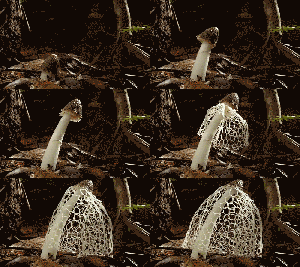
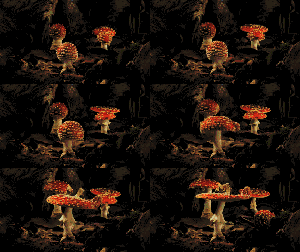
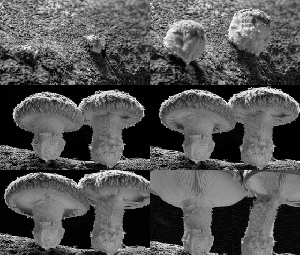
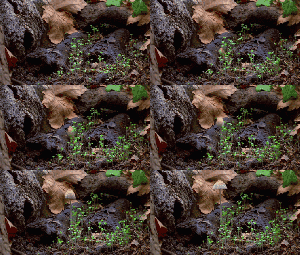
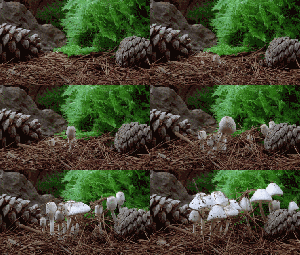
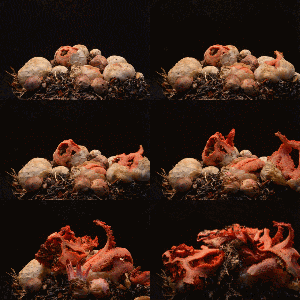
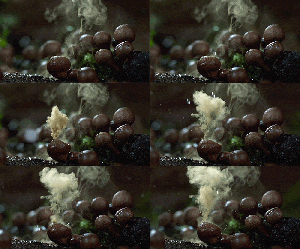
Mushrooms are fast-growing organisms that quickly pop up after the rain. These mesmerizing time-lapse gifs record the mushroom buds bursting through the soil and elegantly expanding their caps.









 brianna's tumblr exports